

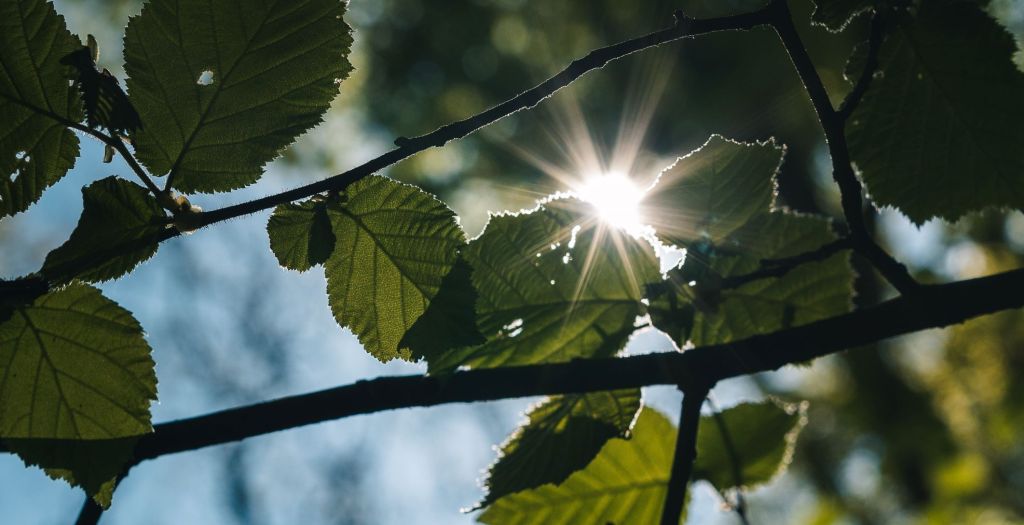
Sitting at my desk looking over the grove, I observe the leaves of the various trees whose colors turn from dark green to light green. The leaves acting like ‘solar panels’ capture the Sun’s energy to produce the nutrients they need. We the humans do the same thing. We are able to capture the energy in Sunlight as coded in our DNA, but we can not produce our food like the plants do. In most plants, the leaves are the food factories on which other living beings’ lives depend. The light and heat of the Sun, makes it possible for life to exist on Earth. These thoughts passing through my mind currently, reminds me to honor and celebrate the nourishing light of the Sun. We rely on the sun to give us life, to grow plants and crops.
For centuries, many ancient cultures like Egyptians, Hattis, Hittites, Mayans, e.t.c. organized festivals and rites to celebrate Summer Solstice. In ancient Egypt, goddess Hathor was the divine eye of Ra, the shining one who illuminates the land with light. She was the solar feminine Disk, the magical creative power. In ancient Anatolia (literally ‘the land of sunrise’), Arinna was the Sun Goddess in the land of Hatti. She was addressed as the mistress of the Hatti Lands, the queen of Earth and Heaven. Both goddesses were the feminine forces of nature from whom people asked for a life filled with abundance, fertility, love, joy and health.
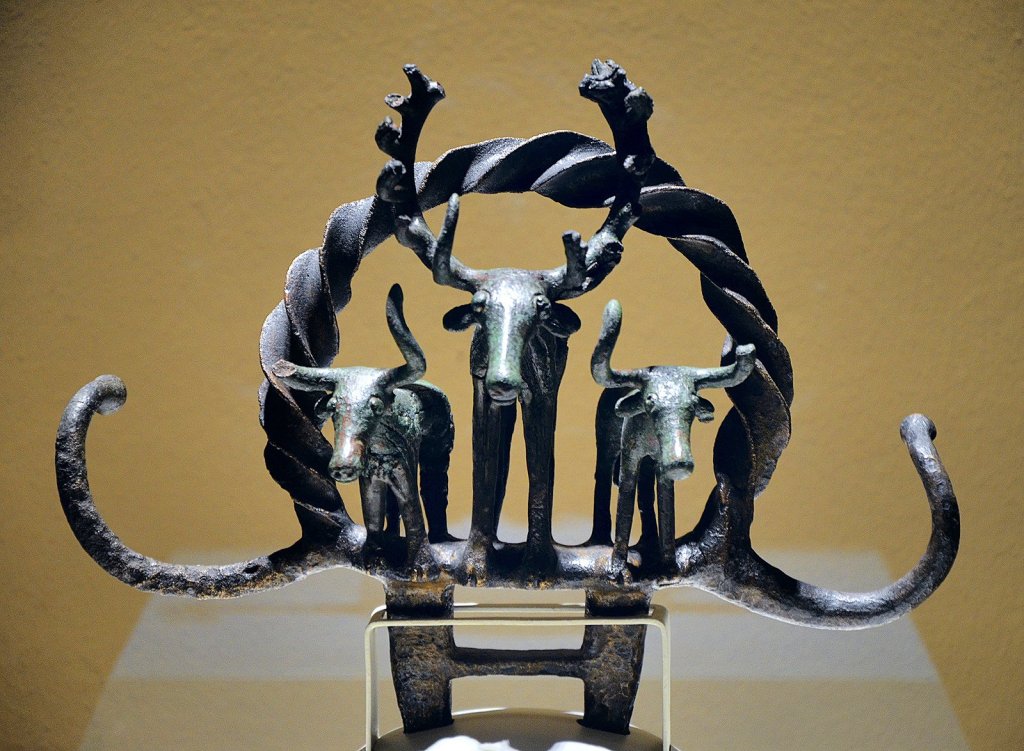
Hattian ceremonial standard known as “Sun Disks” with two bull and a deer, the sacred animals of the Hattians. The circle which forms the perimeter of the disc represents either the earth or the sun. The protrusions at the top represent fertility, and the procreation of nature. The birds symbolize fertility and the freedom in nature. These objects were used in ceremonies and rituals, and were found in the royal tombs of Hattian times unearthed in Alacahöyük, 2500-2250 BCE. Museum of Anatolian Civilizations, Ankara.
 Cultural Trails/Kültürel İzler